
How Mileage Fraud Affects Used Car Prices (And How to Spot It)
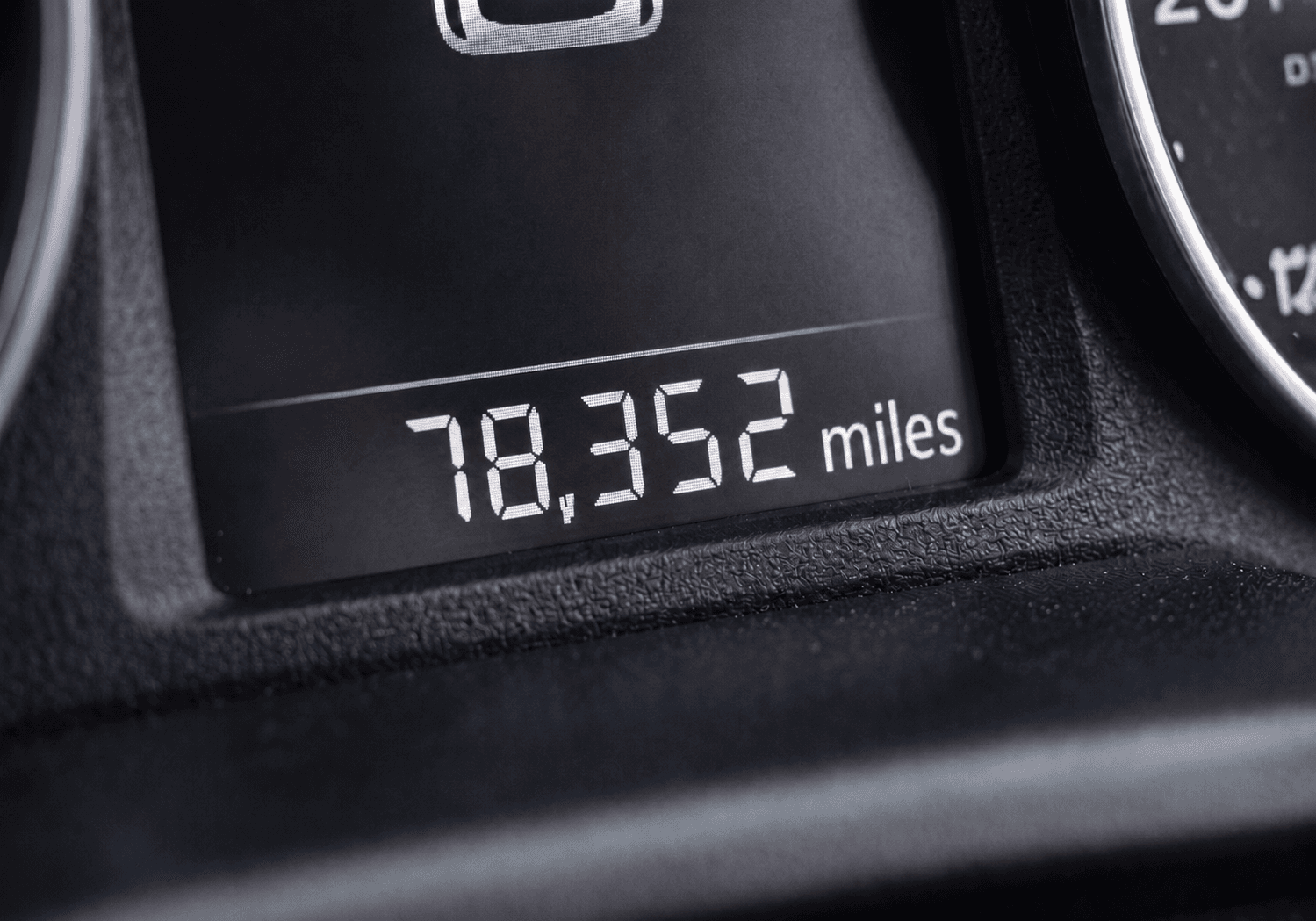
Odometer fraud — rolling back a vehicle's recorded mileage to make it appear younger and lower-use than it actually is — costs American consumers an estimated $1 billion annually. Despite being illegal under federal law, it remains one of the most common forms of used car fraud.
Why Mileage Matters So Much — The price of a used car is heavily tied to its mileage. A vehicle with 30,000 miles is typically worth significantly more than the same vehicle with 90,000 miles. This spread gives fraudsters a powerful financial incentive to manipulate the odometer.
How It's Done — Modern digital odometers are harder to roll back than analog ones, but not impossible. Unscrupulous dealers and individuals use specialized electronic devices that connect to the vehicle's OBD-II port and reprogram the instrument cluster. A skilled technician can often make the change in under 30 minutes.
The Warning Signs — There are several red flags to watch for: worn pedals and steering wheel on a car with suspiciously low mileage; service stickers showing higher mileage than the current reading; tires that are worn out on a "low mileage" vehicle; and inconsistency between the wear on the driver's seat and the claimed miles.
How Vehicle History Reports Help — The most reliable way to detect odometer rollback is through a vehicle history report. PlateVIN aggregates odometer readings from state motor vehicle records, insurance reports, inspection records, and dealer service logs. If any recorded reading is higher than the current odometer, that's a definitive red flag.
Legal Protections — The federal Motor Vehicle Information and Cost Savings Act makes it illegal to tamper with an odometer or to sell a vehicle with a tampered odometer. Sellers are required to provide a written odometer disclosure statement at the time of sale. However, enforcement is inconsistent, and by the time fraud is discovered, the seller may be long gone.
What to Do if You Suspect Fraud — If a vehicle history report shows mileage discrepancies, walk away. You can also report suspected odometer fraud to the NHTSA and your state's attorney general. If you've already bought a vehicle with a rolled-back odometer, consult an attorney — you may have grounds for civil action against the seller.
Running a VIN check before any purchase is the single most effective step you can take against odometer fraud. It takes seconds and costs far less than discovering the problem after you've already signed the papers.